

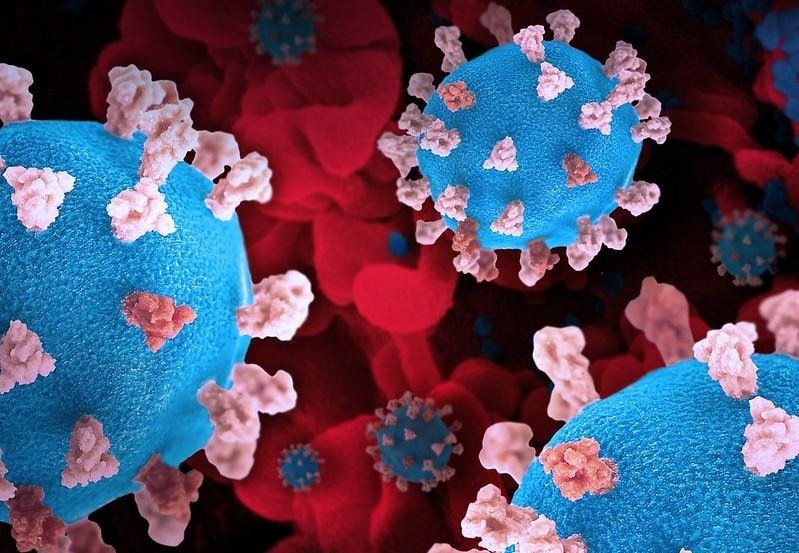
Health officials report that COVID-19 activity is rising across much of the country as the fall season begins. Recent data shows the virus is spreading in a growing number of states. Officials say this pattern is consistent with seasonal trends seen in previous years.
According to recent tracking data, COVID-19 infections are estimated to be growing in more than half of surveyed states. A smaller number of states are seeing declining activity, while others remain relatively stable. Health officials continue monitoring these trends closely as the respiratory virus season gets underway.
Despite rising case activity, hospitalizations linked to COVID-19 remain relatively low overall. Officials note that this pattern differs from earlier stages of the pandemic, when rising case counts often led to sharp increases in hospital admissions. Widespread vaccination and prior immunity are believed to be contributing factors in keeping severe outcomes lower.
Health officials continue recommending updated vaccines for eligible individuals heading into the fall and winter months. Updated formulations are designed to offer protection against currently circulating strains of the virus. Officials encourage people to speak with their healthcare providers about vaccination timing based on individual health needs.
Other respiratory illnesses are also being closely monitored as the season changes. Officials report that certain viral infections are increasing nationally alongside COVID-19. Meanwhile, flu and another common respiratory virus remain at relatively low levels for this point in the season.
Public health experts note that seasonal patterns for respiratory illnesses can shift from year to year. Weather changes, school schedules, and population immunity levels all play a role in shaping how these viruses spread. Officials say continued monitoring helps guide public health recommendations throughout the season.
Vaccination remains one of the most effective tools for reducing severe illness from COVID-19. Officials emphasize that vaccines are particularly important for older adults and individuals with underlying health conditions. These groups face a higher risk of serious complications if infected.
Simple prevention measures continue to be recommended as respiratory virus season begins. Frequent handwashing, staying home when feeling unwell, and improving indoor ventilation can all help reduce the spread of illness. Health officials say these basic steps remain effective even as specific virus strains continue to evolve.
Schools and workplaces often see increased illness activity as the weather cools and people spend more time indoors. Officials encourage organizations to maintain clear policies around sick leave and illness prevention during this period. Clear communication can help reduce the spread of respiratory illnesses within shared spaces.
Health officials continue to closely track wastewater data as an early indicator of virus activity in communities. This surveillance method can help detect rising infection levels before they show up in clinical testing data. Officials say this approach provides valuable early insight as the season progresses.
As the fall season continues, health officials say the situation remains manageable but worth watching closely. Continued vaccination efforts and basic prevention measures remain key tools for reducing illness during this period. Regular updates from health agencies will help track how the season develops in the weeks ahead.
