

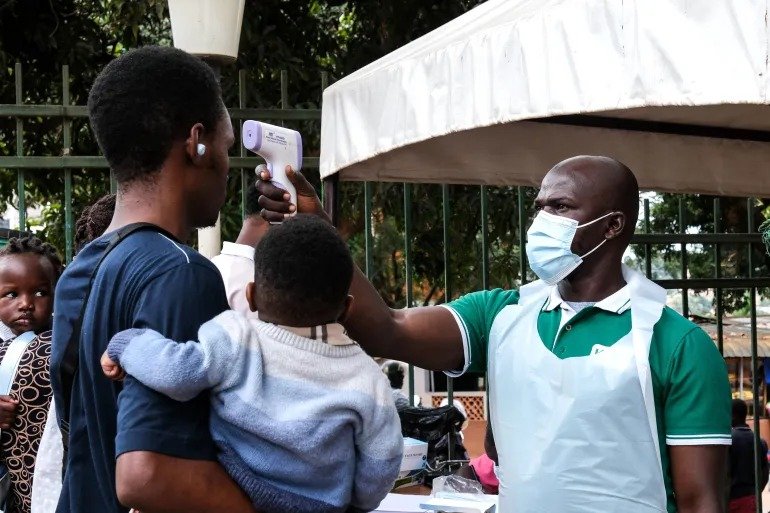
A serious disease outbreak in central Africa continues to expand. Health officials say the current outbreak has now become the largest of its kind ever recorded. The World Health Organization has classified it as a public health emergency of international concern.
The outbreak involves a virus from the same family as Ebola. It was first identified earlier this year in a remote health zone. Since then, it has spread across multiple provinces in the region.
Health officials report thousands of confirmed cases and a high number of deaths linked to the outbreak. The death rate among confirmed cases has remained significant throughout the outbreak. Health workers have also been affected at higher rates than the general population.
A small number of cases have been reported outside the region as well. Patients evacuated for treatment abroad have generally recovered following specialized care. Health officials say the risk of wider international spread currently remains low.
Unlike some other outbreaks, there is currently no approved vaccine for this specific virus. Treatment mainly involves supportive care to help patients survive the illness. Early identification and isolation remain critical to limiting further spread.
Health workers in the affected region face significant challenges responding to the outbreak. Poor infrastructure and ongoing instability in parts of the region have complicated response efforts. Officials say these conditions have likely led to an undercount of the true number of cases.
International health organizations continue providing support to affected communities. Teams are working to strengthen surveillance and improve access to care in remote areas. Coordinated efforts aim to identify new cases quickly and prevent further spread.
Community education has become an important part of the response effort. Building trust within affected communities helps encourage cooperation with health teams. Officials say this trust is essential for effective contact tracing and safe burial practices.
The outbreak has drawn comparisons to previous major disease outbreaks in the region. Lessons learned from past responses are being applied to the current situation. Officials say rapid detection and strong community engagement remain key priorities.
Health experts continue monitoring the situation closely for signs of improvement or further spread. Weekly updates provide detailed data on new cases and affected areas. This information helps guide ongoing response efforts.
Global health organizations stress the importance of continued international support for the response. Funding and resources remain critical to sustaining response efforts in affected areas. Officials warn that reduced support could allow the outbreak to continue spreading.
For now, health teams remain focused on containing the outbreak and supporting affected communities. The coming weeks will be important in determining whether the situation begins to improve. International health officials continue urging sustained attention and support for the ongoing crisis.
