

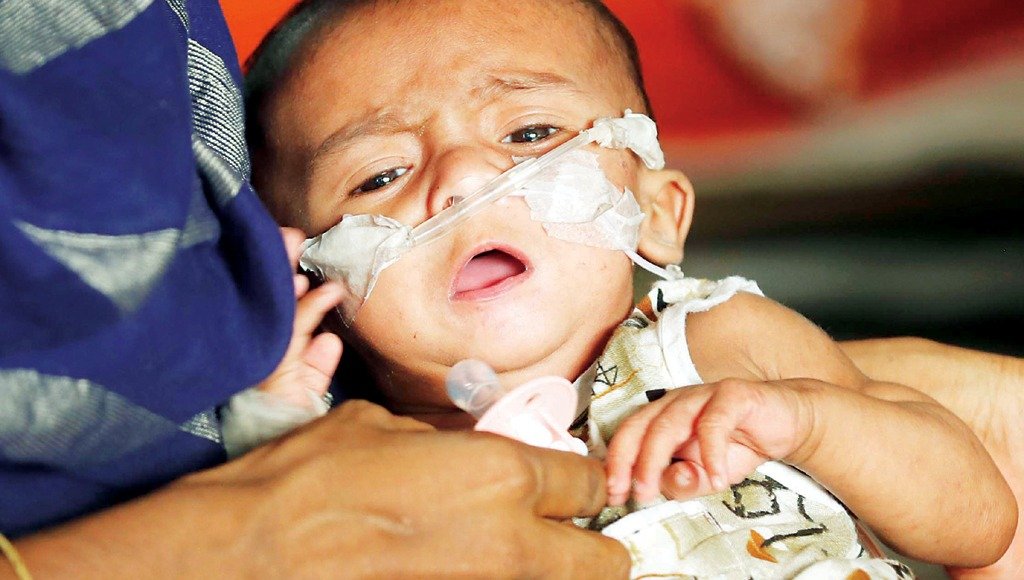
Measles outbreaks continue to worsen in several parts of the world. Health officials report rising case counts and a growing number of deaths. Falling vaccination rates are being blamed for much of the surge.
One country in South Asia has reported tens of thousands of cases this year. The death toll linked to the outbreak has now passed one thousand. Most of the victims have been young children under the age of five.
Health officials in the affected country plan to resume nationwide vaccination efforts soon. The campaign is expected to begin within the coming days. Officials hope it will help slow the spread of the disease quickly.
Measles remains one of the most contagious diseases known to health experts. It spreads easily through the air when an infected person coughs or sneezes. Even brief contact in a shared space can lead to new infections.
The disease can cause serious complications, especially in young children. These include pneumonia, dehydration, and swelling of the brain in severe cases. Malnourished children face an even higher risk of serious illness.
Vaccination remains the most effective way to prevent measles outbreaks. A single dose offers strong protection, and two doses provide even stronger immunity. Public health officials continue urging parents to keep vaccination records up to date.
The measles vaccine has been used safely for decades around the world. It has helped dramatically reduce measles deaths on a global scale since its introduction. Recent declines in vaccination coverage have reversed some of that progress.
Outbreaks are not limited to any single region. Countries in other parts of the world have also reported rising case counts this year. Health officials say the pattern reflects a broader global decline in vaccination rates.
International health organizations continue tracking outbreaks closely. They provide guidance and support to countries facing rising case numbers. Coordinated global efforts have helped contain some outbreaks in the past.
Experts stress that community immunity depends on high vaccination coverage. When too few people are vaccinated, the disease can spread quickly through a population. Even small drops in coverage can lead to significant outbreaks.
Public health campaigns are working to rebuild trust in vaccination programs. Officials are focused on providing clear, accurate information to concerned parents. Community outreach has proven effective in raising vaccination rates in some areas.
For now, health officials remain focused on stopping the spread of the disease. The coming weeks will be critical in determining whether new vaccination efforts can slow the outbreak. Global health experts continue urging swift action to prevent further loss of life.
