

Public health organizations are marking Get Ready Day emergency preparedness observance today, encouraging households across the country to develop concrete plans for responding to natural disasters, public health emergencies, and other significant disruptions.
The observance emphasizes that meaningful preparedness requires advance planning rather than reactive responses during actual emergencies, when limited time and heightened stress make thoughtful decision making considerably more difficult for affected families and individuals.
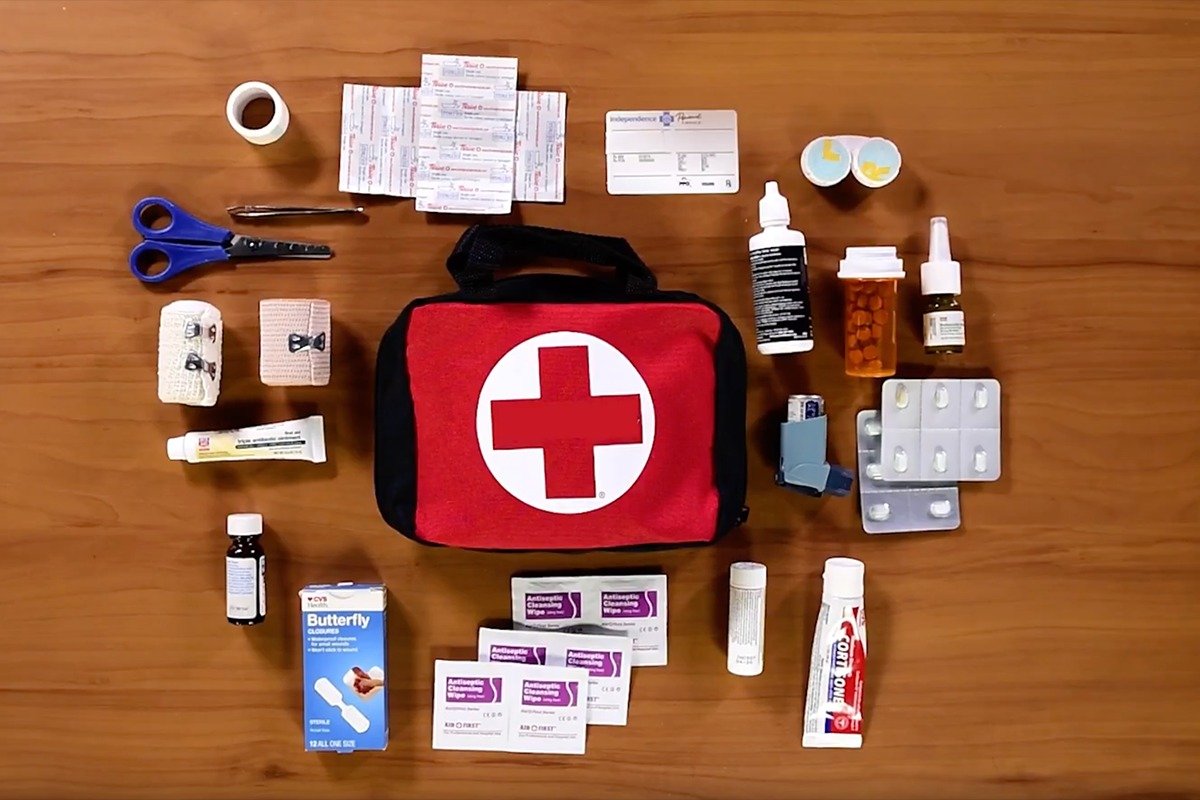
Emergency supply kits represent a foundational preparedness element, with public health experts typically recommending households maintain sufficient water, non perishable food, medications, and basic supplies to sustain family members for several days without external assistance.
Communication planning has become an increasingly important preparedness component, with families encouraged to establish clear protocols for contacting one another during emergencies when normal communication infrastructure might be disrupted or overwhelmed by high demand.
Medical preparedness considerations include maintaining adequate supplies of necessary prescription medications, keeping copies of important medical records accessible, and ensuring family members understand any specific health needs requiring attention during emergency situations.
Natural disaster preparedness varies significantly by geographic region, with households in different areas needing to plan for their specific local risks, whether hurricanes, earthquakes, wildfires, flooding, or severe winter weather depending on regional conditions.
Public health emergency planning has received increased attention following recent years’ experiences, with households encouraged to consider how they might respond to situations requiring extended periods at home or limited access to normal services and supplies.
Community preparedness initiatives complement individual household planning, with many local organizations offering training programs, resource distribution, and coordination systems designed to strengthen overall community resilience during significant emergency situations.
Financial preparedness represents another often overlooked dimension, with experts recommending households maintain some accessible emergency funds and understand their insurance coverage details before disasters occur rather than discovering gaps during actual crisis situations.
Digital preparedness has grown increasingly relevant, with recommendations including backing up important documents electronically, maintaining charged backup power sources for essential devices, and understanding how to access emergency information when normal internet access may be unavailable.
As this observance continues, public health organizations encourage households to take concrete preparedness steps today rather than postponing planning. Even modest preparation efforts can significantly improve household resilience when unexpected emergencies eventually occur, making advance planning genuinely worthwhile for families.
