

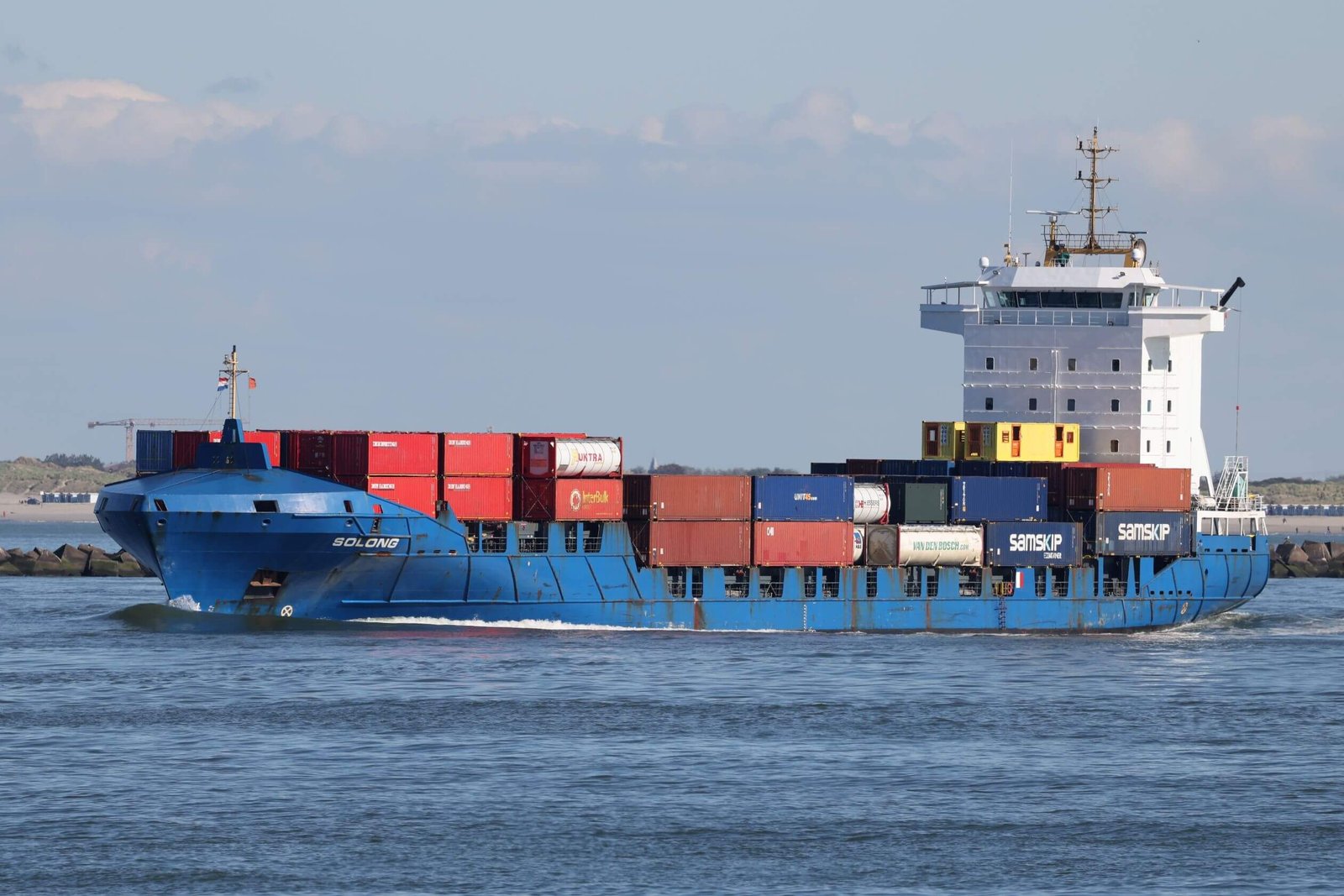
Maritime insurers have moved to sharply increase costs as shipping insurers raise premiums for vessels operating in and around the Strait of Hormuz, reflecting the elevated danger tankers now face following the latest exchange of strikes between the United States and Iran.
War risk insurance, a specialized coverage category that activates in conflict zones, has become an increasingly significant expense for shipping companies operating in the region since the conflict began more than six months ago. Each new escalation in hostilities tends to push these premiums even higher.
Industry sources indicate that some insurers have grown increasingly selective about which vessels and routes they are willing to cover, with certain higher risk transits through the strait now commanding premiums that add substantially to the overall cost of moving cargo through the region.
Shipping companies have responded to these rising costs in various ways, with some choosing to reroute vessels around longer, safer paths that avoid the most dangerous stretches of water near the strait entirely. These detours add significant time and fuel costs but can reduce exposure to the elevated insurance premiums.
The increased costs ultimately flow through the broader supply chain, affecting everything from crude oil transportation to consumer goods that pass through affected shipping lanes. Companies dependent on efficient Gulf region shipping have had to absorb or pass along these additional expenses throughout the conflict.
Maritime security firms have also seen increased demand for their services, as shipping companies seek additional protective measures for vessels transiting through higher risk waters. These security arrangements represent yet another layer of cost that has become a routine part of doing business in the region during the conflict.
Some smaller shipping operators have reportedly withdrawn from Gulf region routes entirely, unable to absorb the combination of rising insurance costs and operational risks associated with continued strikes in the area. This has left a smaller pool of larger, better capitalized companies willing to accept the current risk environment.
Industry analysts note that insurance markets tend to respond quickly to changes in the security environment, with premiums capable of shifting significantly within days of a major escalation like this week’s exchange of strikes. This volatility makes long term cost planning particularly challenging for shipping companies.
The broader economic impact of these rising costs extends well beyond the shipping industry itself, contributing to inflationary pressures across multiple sectors that depend on goods moving through affected trade routes. Energy costs, in particular, have felt significant upward pressure tied to these elevated shipping expenses.
Some maritime industry representatives have called for greater international cooperation to help stabilize the security situation in the region, arguing that a coordinated approach to protecting shipping lanes could help ease some of the cost pressures currently facing the industry.
As the conflict continues without a clear resolution, shipping and insurance costs tied to the region appear likely to remain elevated for the foreseeable future. Until meaningful de-escalation occurs, companies operating in and around the Strait of Hormuz will likely continue facing significant additional costs as part of the price of doing business in this critical but increasingly volatile shipping corridor.
