

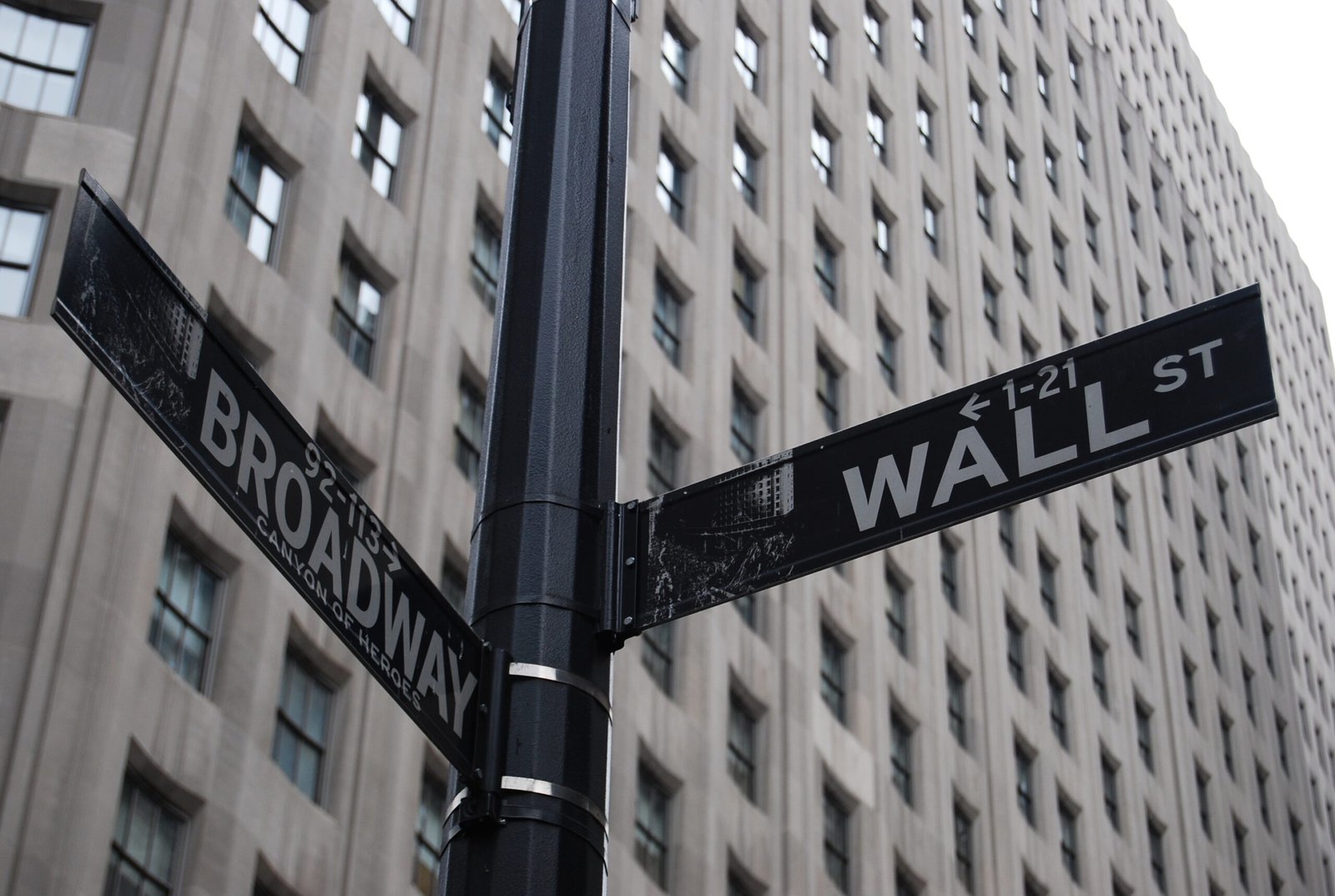
Rising Wall Street rate hike bets pushed stock futures slightly lower as markets opened for a new week. Investors continued digesting comments from the Federal Reserve chair delivered at a major economic gathering held over the weekend, where he signaled a firmer stance on fighting inflation.
The Fed chair’s remarks emphasized that recent inflation readings, while somewhat improved, still fall short of the central bank’s long term target. He noted that policymakers need clear evidence that price pressures are easing before considering a shift toward looser monetary policy. Markets interpreted the comments as a signal that a rate hike remains a real possibility at the Fed’s next meeting.
Odds of a rate increase at the upcoming policy meeting rose sharply following the speech. Futures markets, which track investor expectations for future Fed decisions, showed a much higher probability of a hike compared to just days earlier. This shift reflects growing uncertainty about how quickly inflation will cool in the months ahead.
Bond markets reacted quickly to the shifting outlook. Short term Treasury yields climbed, reflecting expectations of tighter policy in the near term. Longer term yields also moved higher, though by a smaller amount, showing that investors still expect some easing further down the road even as near term rate expectations rise.
Stocks ended the previous week with modest gains overall, even after slipping slightly following the Fed chair’s remarks. Strong performance in the technology sector throughout the week helped offset weaker sessions tied to interest rate concerns, keeping major indexes in positive territory for the five day stretch.
This week’s trading may prove more volatile as investors continue weighing the odds of a rate hike against other economic signals. Upcoming data releases on hiring, spending, and pricing could further shift expectations in either direction, adding to uncertainty heading into the fall trading season.
Currency markets have also responded to the shifting rate outlook. The US dollar strengthened against several major currencies, reflecting expectations that higher rates could make dollar denominated assets more attractive to global investors. A stronger dollar can create challenges for companies that rely heavily on international sales.
Energy stocks moved higher alongside rising oil prices, driven partly by unrelated tensions in the Middle East. This combination of rising rates and rising energy costs has created a more complicated environment for investors trying to predict which sectors will perform best in the months ahead.
Some analysts caution against reading too much into a single speech, noting that Fed officials often adjust their tone based on incoming data. A stronger than expected jobs report or a surprise dip in inflation could quickly shift expectations back toward a more cautious approach from the central bank.
For now, markets remain in a holding pattern as investors wait for more concrete signals about the Fed’s next move. Whether this week brings further gains or a pullback may depend heavily on how upcoming economic data lines up with the more cautious tone struck by policymakers over the weekend.
