

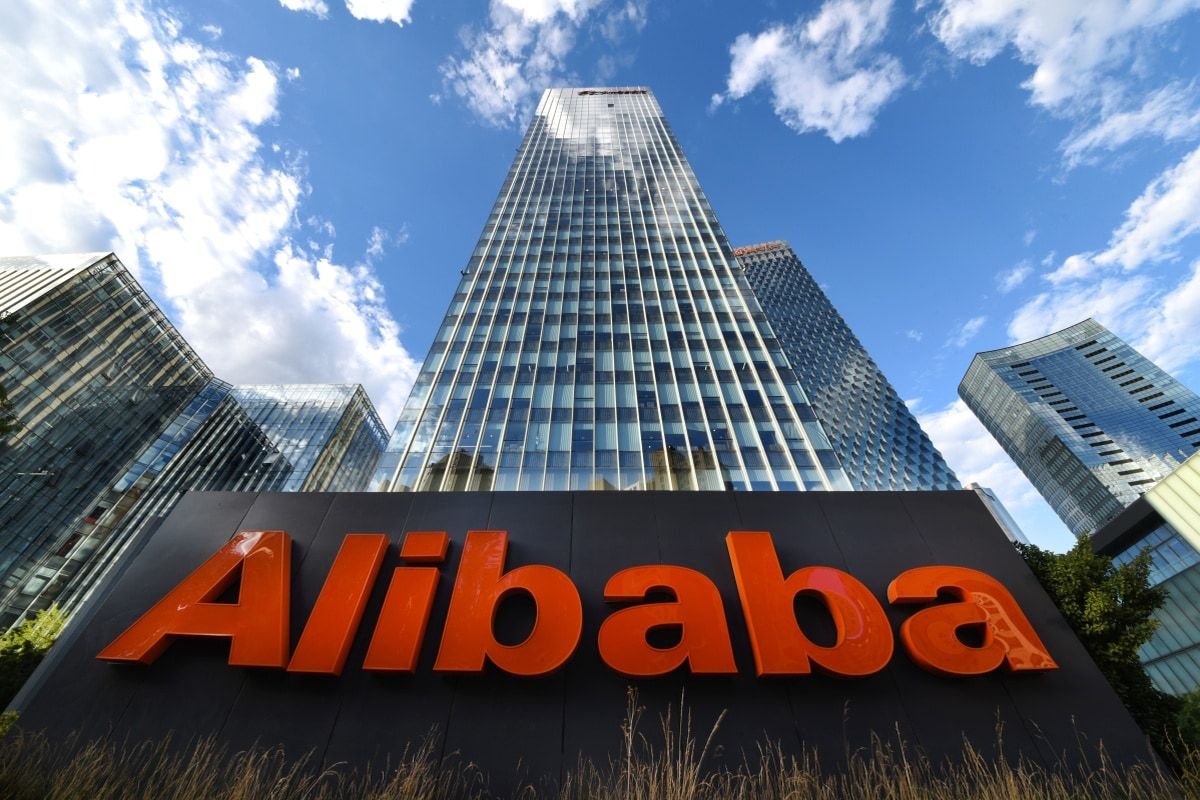
Shares tied to the recent Alibaba shares plunge fell as much as 10 percent in Hong Kong trading after the company priced a large new stock offering. The sudden drop wiped out billions of dollars in market value in a single session, rattling investors across the region.
The company priced roughly 80 billion Hong Kong dollars worth of newly issued shares, equal to more than 10 billion US dollars. The move raises fresh capital for the firm but also increases the total number of shares in the market. New share issuances like this often dilute the value of existing shares, which can push prices lower in the short term.
Analysts say the size of the placement caught some investors off guard. While raising capital can support long term growth plans, a sudden and large offering can also signal that a company needs cash quickly or wants to take advantage of a high stock price before it falls. Traders reacted by selling shares rapidly once the news spread.
The company has been investing heavily in artificial intelligence and cloud computing in recent years. Analysts believe some of the newly raised funds may go toward expanding those efforts. Global competition in AI technology has intensified, pushing many major tech firms to raise large sums of capital to keep pace with rivals.
Despite the sharp drop, some investors see the sell off as a short term reaction rather than a sign of deeper trouble. The company has posted strong results in several business areas this year, including gains in cloud services and online retail. Long term investors may view the lower price as a buying opportunity rather than a warning sign.
The stock drop also reflects broader nerves in Chinese markets this year. Trade tensions between major economies have added uncertainty for investors holding shares in Chinese companies. Currency swings and shifting government policies have made some investors more cautious about large positions in Chinese tech stocks.
Trading volume spiked sharply during the sell off, showing just how quickly investors reacted to the news. Some large institutional investors reportedly trimmed their positions, while others held steady, betting on a recovery once the market absorbs the new shares.
Company leaders have not issued a lengthy public response to the stock drop, though sources close to the firm say the capital raise was planned well in advance. They argue that the funds will support key long term projects rather than cover any short term financial gap.
Market watchers will be closely tracking the stock in the coming days to see whether it stabilizes or continues to slide. A quick rebound would support the view that the drop was simply a reaction to dilution, while a longer decline could point to deeper investor concerns about the company’s direction.
The broader tech sector in Hong Kong also felt ripple effects from the news. Several related stocks dipped slightly in sympathy, though none saw losses as steep as the company at the center of the story.
For now, investors are left weighing the short term pain of dilution against the long term promise of new investment in cloud and AI technology. How that balance plays out will likely shape investor sentiment toward major Chinese tech firms for months to come.
